

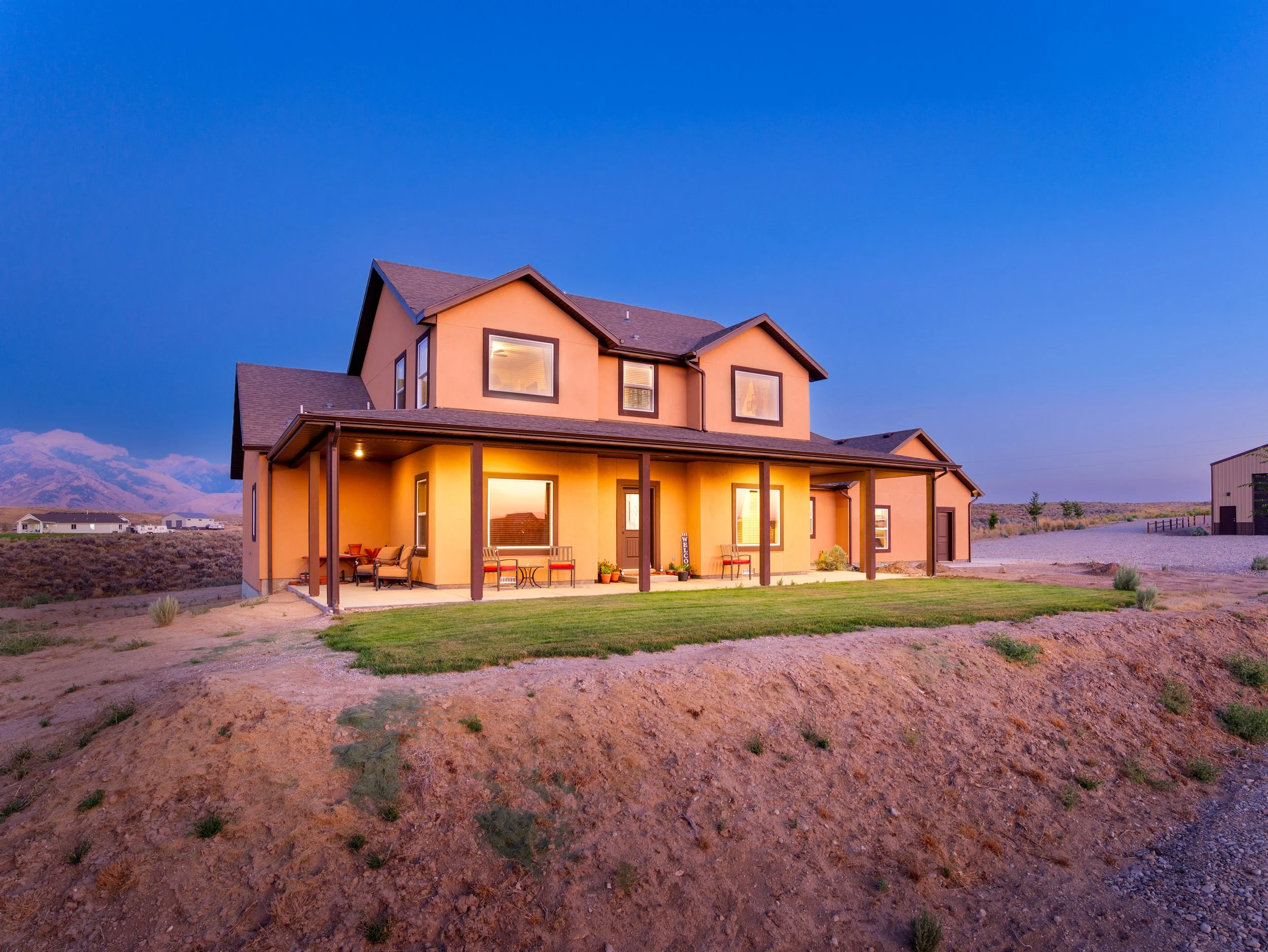
Twilight real estate photography has become a powerful visual strategy in modern property marketing. It captures homes during the short window after sunset when natural light blends with artificial lighting, creating a warm, cinematic effect.
At Sierra Connect Media, this approach is used to enhance property storytelling through high-quality visuals and structured composition. You can explore more of their work in the Real Estate Photography Portfolio section of their website.
The effectiveness of twilight photography depends heavily on property type, architecture, and lighting design. Understanding the Best Types of Homes for Twilight Real Estate Photography helps agents and homeowners make informed marketing decisions that improve listing performance.
What Is Twilight Real Estate Photography?
Twilight real estate photography refers to capturing exterior property images during the “blue hour,” just after sunset or before sunrise. This period creates a natural contrast between soft ambient light and warm interior lighting.
Unlike traditional real estate photography, which focuses on clarity and structure during daylight, twilight photography emphasizes mood, atmosphere, and emotional appeal.
Professional real estate photographers carefully plan these shoots to balance exposure, highlight architectural details, and ensure lighting harmony.
Examples of this visual style can be found in curated collections on the real estate photography services portfolio page.
Why Home Type Matters in Twilight Photography
Not every property benefits equally from twilight photography. The success of a shoot depends on how well a home interacts with lighting conditions.
Homes with strong exterior lighting, modern architecture, and landscaped surroundings tend to perform significantly better. Properties without lighting design or visual structure may not achieve the same impact.
Experienced real estate photographers evaluate each property before recommending twilight sessions as part of their professional property photography approach.
Key influencing factors include:
Exterior lighting design quality
Architectural structure and symmetry
Landscape visibility
Window placement and interior illumination
Surrounding environment and spacing
Best Types of Homes for Twilight Real Estate Photography
Certain property types naturally enhance the visual impact of twilight photography. These homes benefit from lighting contrast, architectural clarity, and environmental context.
Luxury Homes and Estates
Luxury homes are among the most ideal candidates for twilight photography. They often feature advanced lighting systems, large glass windows, and beautifully designed outdoor spaces.
Driveways, pools, and landscaped gardens create visually rich compositions during twilight. This makes them highly effective for real estate photography services aimed at premium buyers.
Modern Glass and Contemporary Homes
Modern homes with glass facades and minimalistic architecture perform exceptionally well in twilight conditions. Interior lighting becomes a major visual element, creating depth and warmth.
These homes are frequently featured in real estate photography services portfolios due to their strong visual balance and clean composition.
Waterfront Properties
Waterfront homes benefit greatly from reflective lighting effects on water surfaces. Twilight enhances calmness and luxury perception, making these properties visually compelling.
The combination of water reflections and warm interior lighting adds depth that daytime real estate photography cannot replicate.
Suburban Family Homes
Suburban homes can also be excellent candidates when properly lit. Porches, driveways, and garden lighting contribute to a welcoming visual atmosphere.
Twilight photography helps highlight comfort and livability, especially when captured by skilled real estate photographers using structured lighting techniques.
Hillside and Elevated Homes
Homes located on elevated terrain offer dramatic skyline views that are best captured during twilight. The contrast between glowing interiors and fading skies creates a strong visual effect.
These properties benefit from professional property photography techniques that emphasize depth and landscape integration.
Historic Homes
Historic properties gain character and depth under twilight lighting. Architectural details such as brickwork, stone textures, and wooden structures appear more pronounced.
With the right real estate photography services, these homes can achieve a timeless and elegant presentation.
Architectural Features That Enhance Twilight Photography
Certain design elements significantly improve the outcome of twilight photography.
Exterior Lighting Systems
Well-planned lighting setups are essential for achieving balanced compositions during twilight shoots. Proper placement of lights helps highlight key architectural features without creating harsh shadows. This ensures the home looks warm, inviting, and visually structured in low-light conditions.
Glass Windows and Doors
Large glass surfaces allow interior lighting to interact with the exterior environment effectively. This creates a glowing effect that enhances depth and visual warmth. It also helps showcase the interior lifestyle of the home from an exterior perspective.
Outdoor Living Areas
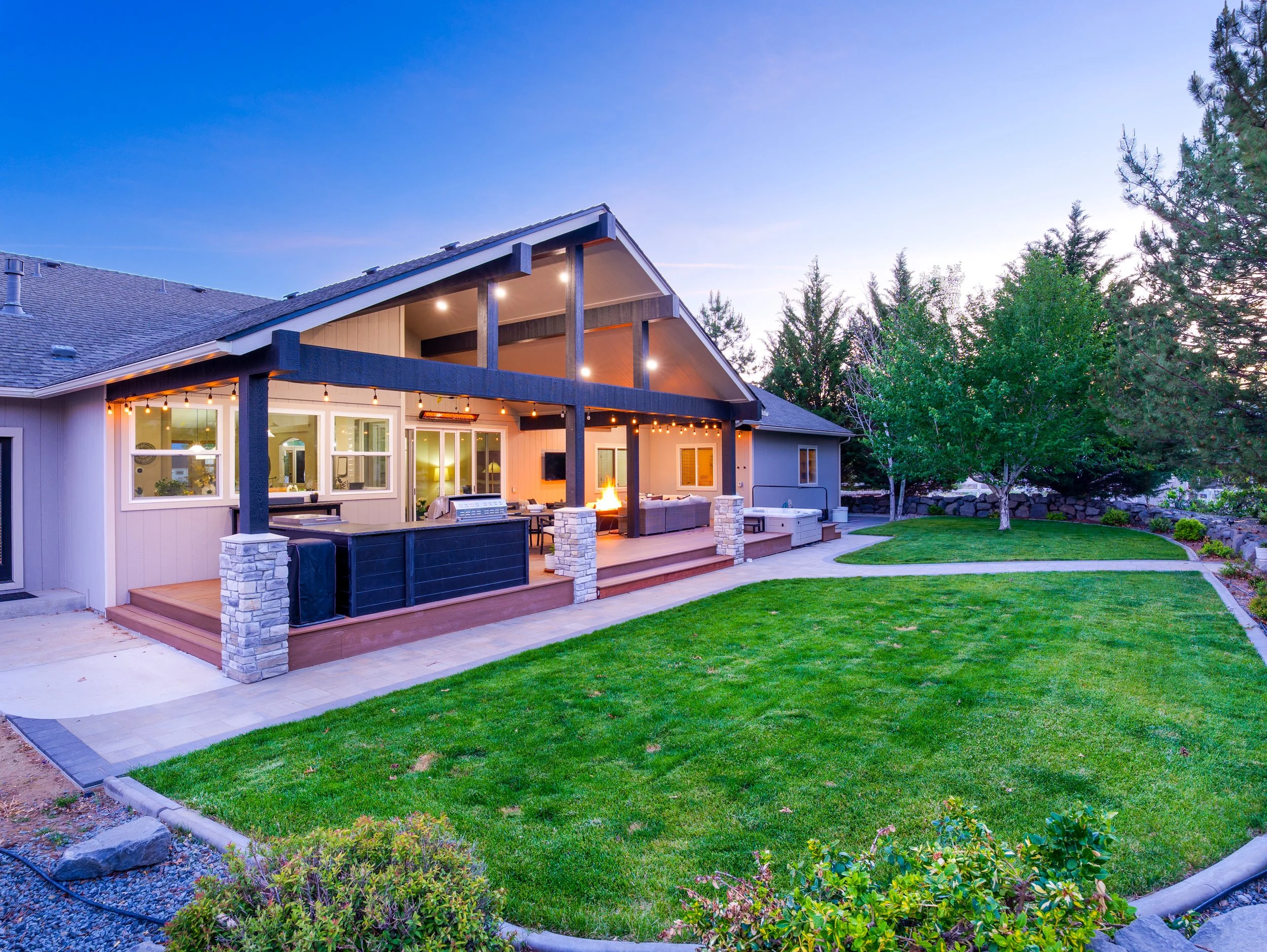
Patios, pools, and decks enhance lifestyle appeal when properly illuminated. These spaces become focal points during twilight photography, adding dimension to the overall composition. Subtle lighting in these areas helps create a resort-like visual experience.
Balanced Architectural Design
Symmetry and structure help create visually stable and aesthetically pleasing images. Homes with balanced layouts naturally guide the viewer’s eye through the frame. This improves composition quality and strengthens the overall visual impact.
These features are often highlighted in curated visual collections available through real estate photography services.
Role of Professional Real Estate Photographers
Twilight photography requires precision, timing, and technical expertise. Skilled real estate photographers understand how to manage light balance, exposure settings, and composition in challenging conditions.
Professional providers offering real estate photography services ensure each stage of the process is carefully executed, from planning to final editing.
Key responsibilities include:
Planning optimal shooting time
Balancing artificial and natural light
Capturing multiple exposure layers
Editing and color correction
Ensuring architectural accuracy
How Twilight Photography Impacts Property Value
Twilight photography enhances emotional appeal, which plays a major role in buyer decision-making.
Listings featuring twilight images often experience:
Higher engagement rates
Increased inquiry volume
Stronger emotional connection
Improved perceived value
This makes professional property photography an important investment for sellers aiming to maximize listing performance.
Choosing the Right Real Estate Photography Services
Selecting the right provider is essential for achieving high-quality twilight results.
When evaluating real estate photography services, consider:
Portfolio quality and consistency
Experience in twilight shooting
Understanding of architectural composition
Editing and post-production quality
Communication and planning process
You can review real project examples through the real estate photography services portfolio section.
A strong provider will also guide you on whether your property is suitable for twilight photography.
Common Mistakes in Twilight Real Estate Photography
Even well-designed properties can lose impact if photography is not executed properly.
Poor Timing
Shooting outside the ideal light window leads to weak contrast. This can result in flat and less engaging images that fail to highlight the property’s features. Proper timing during the blue hour is essential for achieving the desired twilight effect.
Overexposed Interiors
Excess lighting inside the home can overpower exterior balance. This creates an unnatural look where windows appear overly bright and lose detail. A controlled lighting setup helps maintain harmony between indoor and outdoor visuals.
Lack of Preparation
Unlit or poorly staged spaces reduce overall appeal. Cluttered or unfinished areas can distract from the property’s strengths. Proper preparation ensures the home looks clean, welcoming, and market-ready.
Weak Composition
Poor framing affects visual storytelling and architectural emphasis. Important features may be cut off or poorly positioned within the frame. Strong composition helps guide the viewer’s eye and improves overall image impact.
Avoiding these mistakes ensures better results in real estate photography projects.
Conclusion
Twilight real estate photography is a highly effective marketing tool, but its success depends on selecting the right property type. Luxury estates, modern glass homes, waterfront properties, suburban houses, hillside homes, and historic residences all benefit in unique ways.
Working with experienced real estate photographers ensures lighting, timing, and composition are executed professionally, resulting in high-impact visuals that improve listing performance.
Sierra Connect Media provides structured visual solutions through real estate photography services, supported by a strong portfolio and company insights.
For inquiries or booking, visit the official contact page.
FAQ
-
It is a technique that captures homes during sunset or sunrise when lighting conditions create a balanced and cinematic effect.
-
Luxury homes, waterfront properties, modern glass homes, and hillside properties are ideal candidates.
-
Both are useful. Twilight focuses on mood and emotional appeal, while daytime highlights structure and layout.
-
No, only experienced real estate photographers with lighting expertise typically provide this service.
-
Yes, it can increase engagement, improve buyer interest, and enhance perceived property value.