

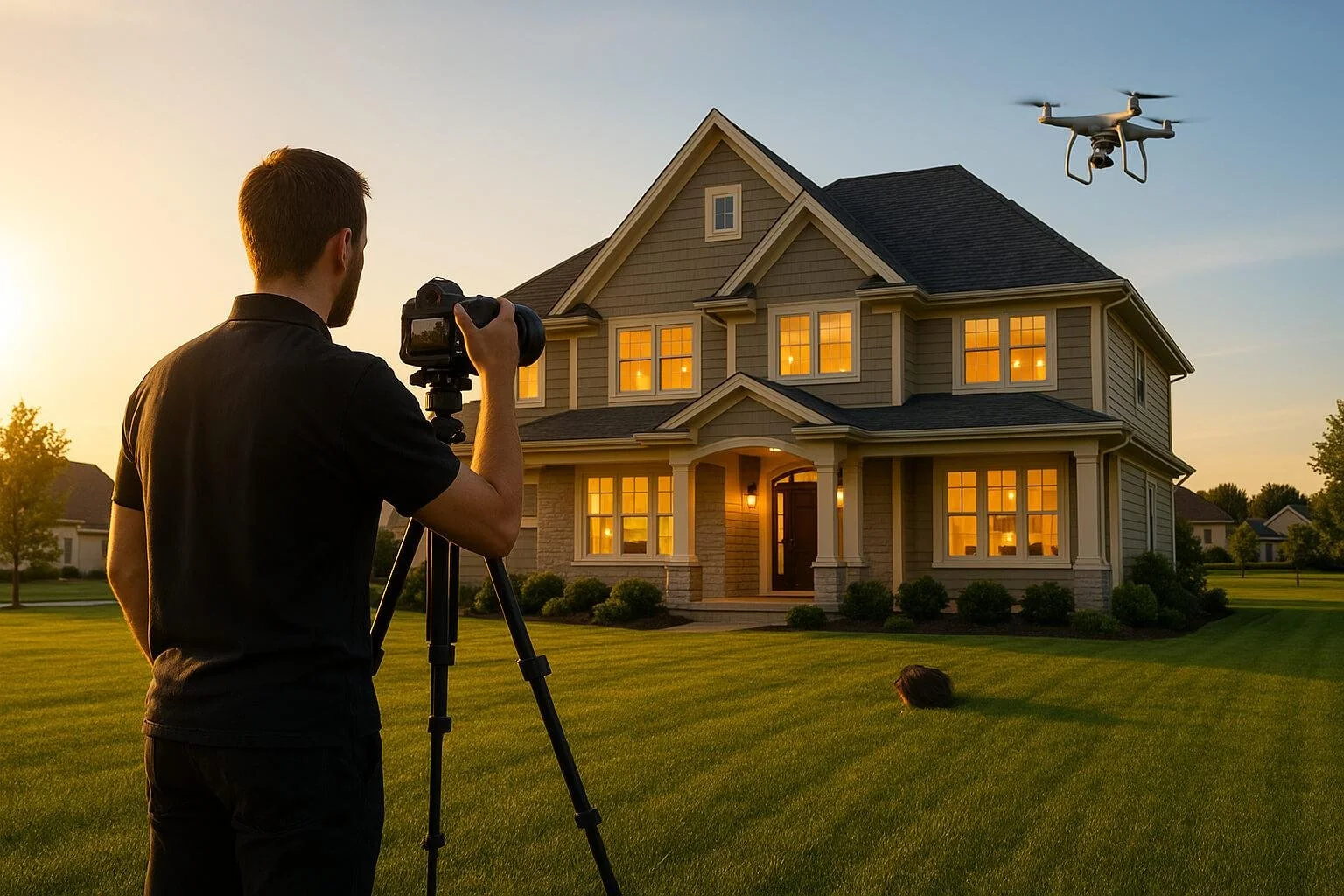
Listing photos are often the first impression a buyer has of a property. Before they read a single line of the description, they are scrolling through images, deciding in seconds whether a home is worth a closer look. This is why choosing the right real estate photographer matters so much for agents, brokers, and property owners who want their listings to stand out.
At Sierra Connect Media, we work with real estate professionals who understand that strong visuals directly influence how quickly a property sells and at what price. But not every photographer offers the same level of skill, consistency, or service. This guide walks through twelve practical questions you should ask before hiring someone for your next shoot, so you can make an informed decision rather than a rushed one.
Why Hiring the Right Photographer Matters
Real estate photography is not just about taking attractive pictures. It involves understanding lighting, angles, staging, and how a buyer's eye moves through a space. A skilled photographer can make a modest room feel spacious and inviting, while poor photography can make even a beautifully renovated home look flat and uninviting.
Hiring the right professional also affects your reputation as an agent. Listings with high-quality images tend to attract more inquiries and generate stronger first impressions, which reflects well on the agent representing the property. This is why so many professionals now treat real estate photography services as a core part of their marketing budget rather than an afterthought.
12 Questions to Ask Before Hiring a Real Estate Photographer
Before signing a contract or booking a shoot, take a few minutes to ask these questions so you know exactly what you are paying for and what to expect.
1. What Is Your Experience With Real Estate Photography Specifically?
General photography skills do not always translate to real estate work. Ask how long the photographer has been shooting properties and how many listings they typically handle each month. Someone who regularly works with real estate photographers and agents will already understand common challenges, such as shooting in tight spaces or handling mixed indoor and outdoor lighting.
2. Can I See Examples of Your Recent Work?
A photographer's portfolio tells you more than any conversation can. Look for consistency across different property types, from smaller condos to larger single-family homes. You can view examples of completed projects on our portfolio page to get a sense of the range and quality you should expect from a professional provider.
3. What Equipment Do You Use?
While equipment alone does not guarantee great results, professional-grade cameras, wide-angle lenses, and proper lighting equipment matter for interior shots. Ask whether the photographer uses tripods, external flashes, or HDR techniques to balance window light with interior lighting, which is a common challenge in property photography.
4. Do You Offer Drone Photography?
Aerial shots have become increasingly popular for showcasing larger properties, acreage, or unique lot features. If your listing would benefit from an aerial perspective, confirm that the photographer is licensed to operate a drone commercially, since this is a legal requirement in most regions.
5. What Is Included in Your Real Estate Photography Services?
Packages vary widely between providers. Some include only standard photos, while others bundle in twilight shots, virtual tours, floor plans, or video walkthroughs. Understanding exactly what is included helps you compare pricing accurately and avoid unexpected add-on charges later.
6. How Do You Handle Editing and Post-Production?
Editing plays a significant role in the final quality of listing photos. Ask about the photographer's approach to color correction, sky replacement, and lighting balance. Overly edited or unnatural-looking photos can create a mismatch between the listing images and the actual property, which may disappoint potential buyers during a showing.
7. What Is Your Turnaround Time?
In real estate, timing is everything. A delayed photo delivery can push back your listing date and cost you valuable market exposure. Ask for a clear turnaround estimate and whether rush delivery is available for time-sensitive listings.
8. Do You Carry Insurance?
Professional photographers working inside homes should carry liability insurance. This protects both parties in case of accidental damage to the property during the shoot. It is a simple question that reflects the professionalism of the photographer.
9. How Do You Prepare for a Shoot?
A well-prepared photographer will often ask about the property beforehand, request that lights be turned on, clutter minimized, and any staging completed prior to arrival. This kind of preparation reflects experience and helps ensure the shoot runs efficiently.
10. What Are Your Rates and Payment Terms?
Pricing structures differ depending on property size, location, and the scope of services requested. Ask for a clear breakdown of costs, including any travel fees, and confirm payment terms before booking. Comparing a few quotes for professional property photography can help you understand a fair market rate in your area.
11. Can You Provide References or Client Testimonials?
Speaking with past clients, or reading reviews, gives insight into reliability, communication, and consistency. A photographer with strong client feedback is more likely to deliver a smooth experience from booking through delivery.
12. What Makes Your Approach Different?
This question helps you understand how a photographer positions themselves within the market. You can learn more about our approach and team background on our about page, where we outline how we work with agents to create listing visuals that support their marketing goals.
Comparing Photographers: A Quick Reference Table
| Question Area | Why It Matters | What to Look For |
|---|---|---|
| Experience | Real estate has unique technical demands | Portfolio focused on property work |
| Equipment | Impacts image clarity and lighting balance | Wide-angle lenses, HDR capability |
| Services Offered | Determines package value | Photos, video, floor plans, drone options |
| Editing Style | Affects buyer trust and expectations | Natural, accurate color and lighting |
| Turnaround Time | Impacts listing schedule | Clear delivery timelines in writing |
| Insurance | Protects property and photographer | Proof of liability coverage |
| Pricing Transparency | Prevents unexpected costs | Written quotes with no hidden fees |
What Sets Professional Real Estate Photography Apart
There is a noticeable difference between a smartphone photo and images captured through professional property photography. Professionals understand how to work with natural and artificial light together, how to compose shots that highlight a property's best features, and how to edit images so they look realistic rather than artificial.
For agents managing multiple listings, working with a consistent photography partner also creates a recognizable, polished brand across all marketing materials, from online listings to printed brochures. This consistency builds trust with buyers who come to associate high-quality visuals with a dependable agent.
Common Mistakes to Avoid When Hiring a Photographer
Many agents choose a photographer based purely on price, without reviewing their portfolio or asking about turnaround time. This can lead to inconsistent results and missed deadlines. Others assume that any photographer can handle real estate work, without confirming they have specific experience shooting interiors and exteriors under varying lighting conditions.
It is also worth avoiding photographers who cannot clearly explain what is included in their pricing. Vague quotes often lead to disputes later, especially if additional services such as drone shots or twilight photography are added after the initial booking.
How to Evaluate a Photographer's Portfolio Effectively
When reviewing a portfolio, pay attention to consistency rather than just a handful of standout images. Look for:
Balanced lighting across different rooms and times of day
Straight lines and proper perspective correction, particularly in kitchens and living areas
A variety of property types and sizes
Clean, uncluttered compositions that highlight space rather than distract from it
A strong portfolio should reflect reliable quality across many projects, not just a few carefully selected examples.
Final Thoughts on Choosing a Real Estate Photographer
Selecting the right real estate photographer is an important decision that can directly influence how quickly and effectively a property sells. By asking the right questions about experience, services, pricing, and turnaround time, you can avoid common pitfalls and build a working relationship with someone who consistently delivers strong results.
If you are preparing to list a property and want photography that supports your marketing goals, feel free to contact us to discuss your project and timeline. Taking the time to ask these questions upfront will help ensure your listings are represented accurately and professionally from the very first photo.
Frequently Asked Questions
-
Pricing varies based on property size, location, and the specific services included, such as drone shots or virtual tours. It is best to request a detailed quote before booking.
-
Most residential shoots take between one and three hours, depending on the size of the property and the number of rooms being photographed.
-
Yes. Turning on all lights, removing clutter, and completing any staging beforehand helps the photographer work efficiently and produce better results.
-
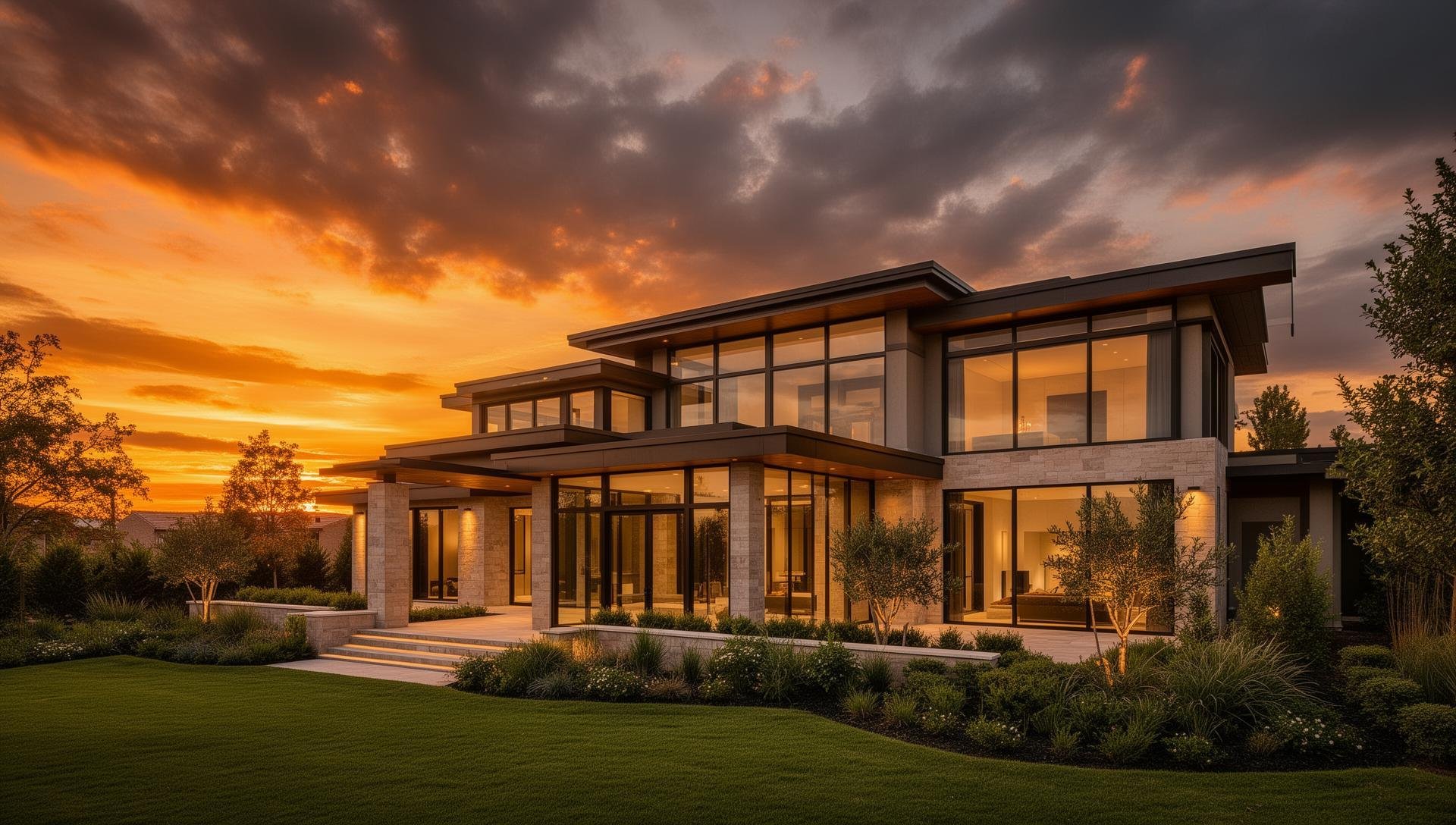
Standard photography is typically shot during the day, while twilight photography is captured around sunset to create a warmer, more dramatic look for exterior shots.
-
Turnaround times vary by provider, but most professional photographers deliver edited images within 24 to 72 hours, depending on the scope of the project.