

The property market in 2026 is highly visual. Before a buyer ever steps foot inside a house, they scroll through dozens of online listings. The images attached to a property listing serve as the primary filter for buyer interest. As we move into 2026, the standards for visual marketing have shifted dramatically. Realtors must stay ahead of the curve to ensure their listings capture attention in a crowded digital space. At Sierra Connect Media, we understand that effective property marketing requires a blend of artistic skill and technical precision. This comprehensive guide explores the top real estate photography trends every realtor should know in 2026 to keep their listings competitive and appealing to modern buyers.
The Evolution of Property Visuals
The days of taking a quick smartphone photo and uploading it to the multiple listing service are long gone. Today, buyers expect a rich, immersive experience. The baseline for quality has moved from simple documentation to high-end visual storytelling. Modern buyers want to understand the flow of a home, the quality of its natural light, and the context of its neighborhood.
This shift means that the role of real estate photographers has expanded significantly. It is no longer just about wide-angle interior shots. It involves a deep understanding of lighting, architectural composition, and digital presentation. As we look at the landscape for 2026, several distinct trends are shaping how properties are photographed, edited, and presented to the public.
Key Real Estate Photography Trends for 2026
Staying relevant means adopting new techniques and technologies. The following trends are defining the standard for property marketing this year.
Artificial Intelligence in Image Enhancement
Artificial intelligence has transformed the editing process for real estate photography. AI-powered tools now allow photographers to perform complex edits in a fraction of the time it once took. One of the most popular applications is sky replacement. If a photographer shoots an exterior on a cloudy day, AI can seamlessly replace the gray sky with a bright, natural-looking blue sky without affecting the rest of the image.
Beyond sky replacement, AI is used for object removal, which involves temporarily removing items like garden hoses, electrical cords, or unsightly trash cans from an exterior shot. Virtual staging is another AI application, adding digitally rendered furniture to empty rooms to help buyers visualize the space. Noise reduction is also highly utilized for cleaning up grainy images that were shot in low-light conditions. Color correction balances color temperatures so interior lighting looks natural and inviting.
While AI speeds up the editing workflow, the initial capture still requires a human eye for composition. AI enhances the final product, but the foundational image must still be taken by experienced professionals who understand how to frame a room properly.
Drone and Aerial Photography Integration
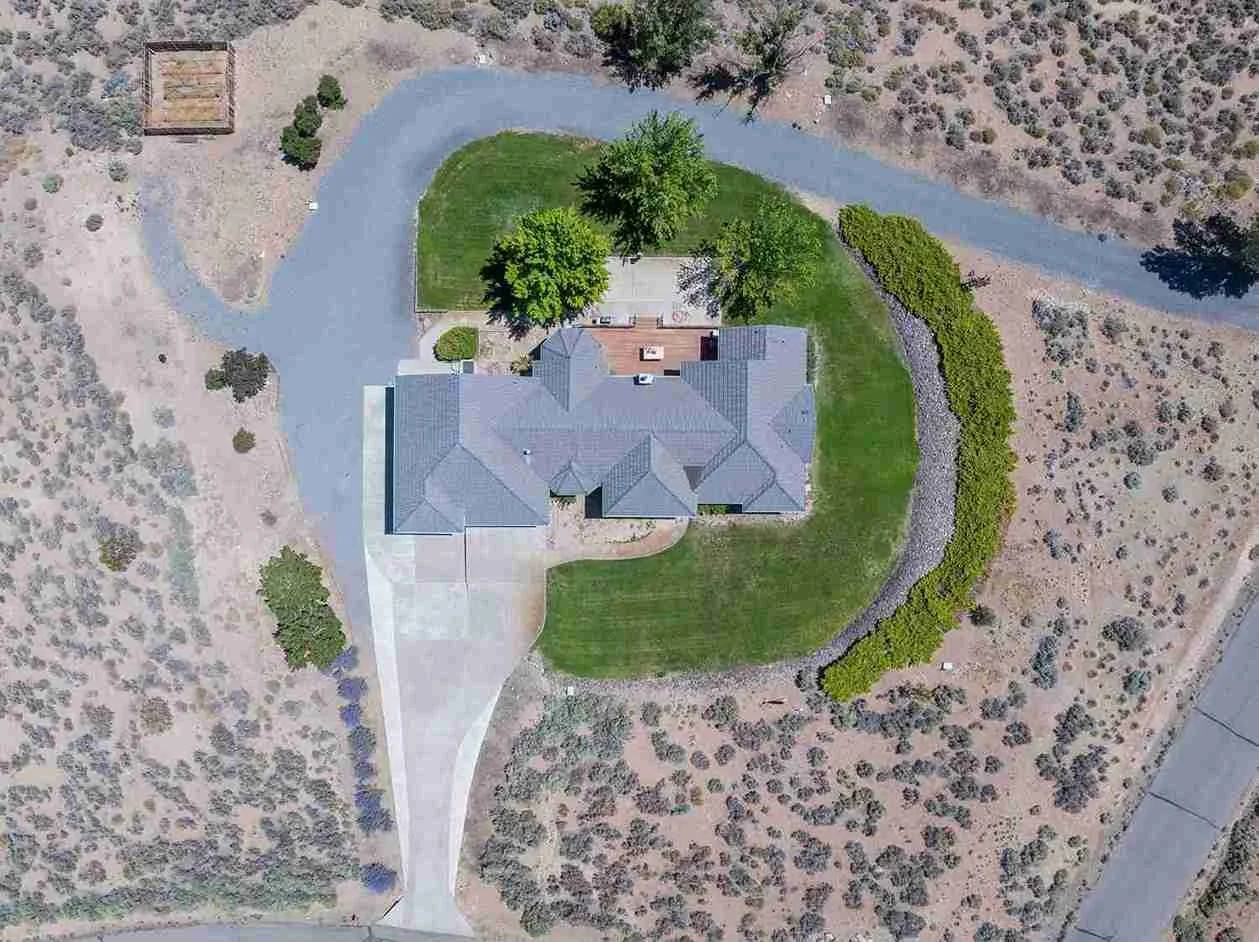
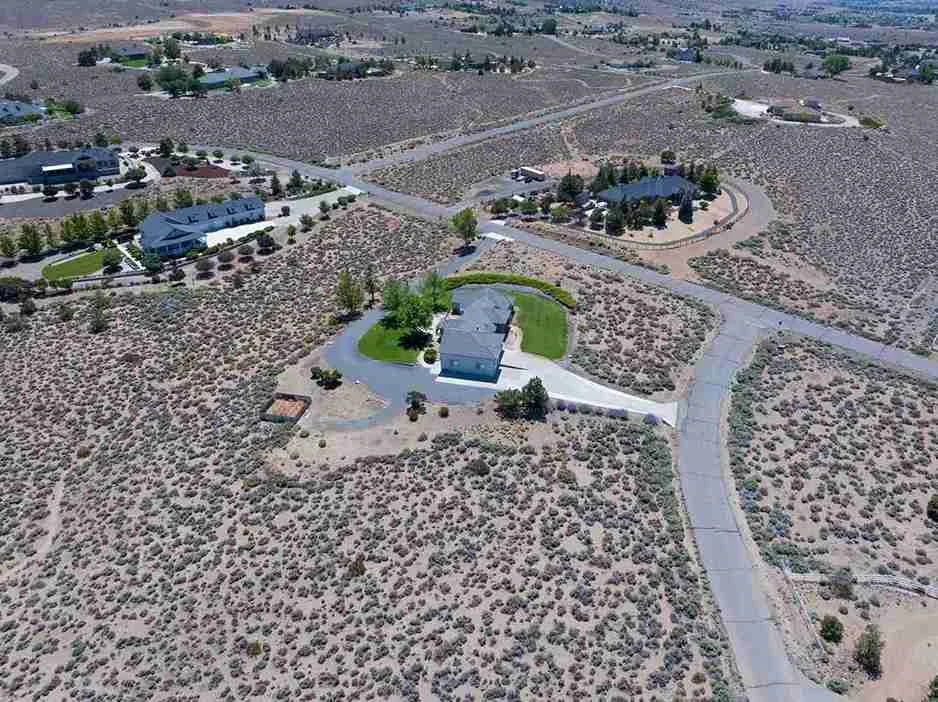
Aerial imagery is no longer a luxury reserved for high-end estates. In 2026, drone photography is a standard expectation for almost all property listings. Drones provide a perspective that ground-level photography simply cannot achieve. They are particularly effective for showcasing large parcels of land, sprawling estates, or properties near geographic features like lakes or mountains.
Drone footage also highlights the relationship between the property and its surroundings. Buyers want to see the proximity to neighborhood amenities, the layout of the driveway, and the overall condition of the roof. The Federal Aviation Administration continues to regulate commercial drone use, which means realtors must rely on certified professionals to capture this footage legally and safely. The combination of ground-level and aerial shots provides a complete picture of the property.
Immersive 3D Tours and Virtual Reality
The way buyers interact with online listings has become highly interactive. Three-dimensional tours allow buyers to navigate a property virtually, clicking through rooms at their own pace. This technology provides a true sense of a property's flow and scale, which static images cannot convey. Offering these comprehensive real estate photography services broadens the pool of potential buyers, especially those relocating from out of state.
In 2026, these tours are increasingly being optimized for virtual reality headsets. Buyers who use VR can experience a sense of depth and dimension that makes them feel as though they are physically walking through the home. This level of immersion saves time for both the buyer and the realtor, as it filters out buyers who do not like the layout before a physical viewing is scheduled.
Cinematic Twilight Photography
Twilight photography remains one of the most powerful ways to make a listing stand out. Capturing a home at dusk, when the interior lights glow warmly against a deep blue evening sky, creates an emotional connection with the buyer. It conveys a sense of warmth, security, and luxury.
Achieving the perfect twilight shot requires precise timing and technical expertise. Photographers have a very short window of time, usually around twenty minutes, to capture the balance between natural and artificial light. Because the property must be prepared perfectly, with all interior and exterior lights turned on, it requires coordination between the realtor, homeowner, and photographer. The results are often striking and significantly boost the click-through rate on listing platforms.
Short-Form Video Walkthroughs
While traditional still images are the foundation of any listing, short-form video content is essential for marketing on social media platforms. Buyers frequently discover properties through vertical video formats on their phones. Creating dynamic, fast-paced video walkthroughs that highlight the best features of a home in under sixty seconds is a major trend. These videos need smooth camera movement, professional stabilization, and clear lighting. Many realtors are now bundling video creation with their standard photography packages to ensure their marketing materials are optimized for both multiple listing services and social media feeds.
The Impact of AEO and GEO on Visual Assets
As search engines evolve, the way visual content is indexed and served to users changes. Answer Engine Optimization and Generative Engine Optimization are reshaping how real estate content is discovered. Search engines and AI assistants now use complex algorithms to understand the context of images, not just the text on the page.
This means the technical aspects of real estate photography are more important than ever. Image file names, alt text, and structured data must be accurate and descriptive. When an AI assistant searches for a specific type of property, it relies on metadata to find the right visual match. High-quality images that are properly tagged and structured have a much higher chance of appearing in generative search results, driving more traffic to the property listing. Photographers must deliver files that are not only visually appealing but also technically optimized for modern search engines.
The Value of Professional Property Photography
Some realtors may wonder if investing in professional property photography is necessary when smartphone cameras continue to improve. The answer lies in consistency, skill, and equipment.
Professional photographers use full-frame cameras, specialized architectural lenses, and external lighting to ensure every room looks its best. They know how to manage challenging lighting situations, such as large windows that cause harsh shadows. Furthermore, they understand how to highlight the selling points of a property while minimizing flaws.
From a business perspective, high-quality images build trust with potential buyers and position the realtor as a serious professional. Listings with professional photos consistently receive more views, generate more inquiries, and spend less time on the market. The return on investment for professional images is clear when a property sells faster and closer to the asking price.
How to Choose the Right Real Estate Photography Services
Selecting the right provider is critical for maintaining the quality of your marketing materials. When evaluating photography services, consider several key factors. You should always review a provider's real estate photography portfolio to ensure their style aligns with the type of properties you represent. Look for consistent lighting, straight vertical lines, and clear composition.
In a fast-moving market, speed matters. Ask about the delivery timeline for both raw images and fully edited galleries. Look for a provider who offers more than just still images. The ability to order drone footage, 3D tours, and floor plans from the same source simplifies your workflow. Understand the terms of use for the photos to ensure you have the rights to use the images across your website, social media, and print materials without hidden fees. Finally, choose a service that stays current with 2026 trends, offering AI enhancements and AEO-friendly image optimization.
Preparing a Property for the Camera
Even the best photographer cannot capture a great photo of a poorly prepared home. Realtors play a vital role in ensuring a property is ready for its close-up. A thorough preparation guide should be provided to the homeowner before the shoot.
Key preparation steps include:
Decluttering: Remove personal items, excess furniture, and small appliances from countertops. A minimalist approach makes rooms appear larger.
Lighting: Replace any burnt-out bulbs and ensure all fixtures use the same color temperature. Mixing warm and cool bulbs creates unnatural shadows in photos.
Landscaping: Mow the lawn, trim hedges, and clear away any debris from the yard. The exterior is the first impression buyers will see.
Cleaning: Ensure floors are vacuumed, mirrors are clean, and surfaces are dusted. High-resolution cameras will pick up small details that the eye might miss.
Staging: Whether using physical furniture or virtual staging, define the purpose of each room. Empty rooms are difficult for buyers to navigate visually.
By taking the time to prepare the space, realtors ensure the photographer can focus on composition rather than working around messes. This collaboration results in a final product that is polished and market-ready.
Conclusion
The standards for property marketing have reached a new level of sophistication. Realtors must adapt to the 2026 trends of artificial intelligence integration, drone usage, immersive tours, and optimized visual search data. Providing buyers with a clear, beautiful, and interactive view of a property is no longer optional. It is the baseline requirement for making a sale.
Staying competitive means partnering with professionals who understand both the artistic and technical demands of modern visual marketing. If you are ready to elevate the quality of your property listings and implement these strategies, we are here to help. Please contact us to discuss your specific needs and elevate your marketing approach.
Frequently Asked Questions
-
It is the practice of capturing high-quality images of residential and commercial properties for marketing purposes. It involves specialized equipment, lighting techniques, and composition skills to showcase a property in its best light.
-
Professional photos attract more online views, generate higher buyer interest, and often lead to faster sales. They provide an accurate, polished representation of the home that builds trust with potential buyers.
-
The duration depends on the size of the property and the services requested. A standard residential shoot usually takes between one and two hours. Adding drone footage or 3D tours will extend the time required.
-
While smartphone cameras have improved, they lack the specialized lenses, dynamic range, and external lighting required for architectural photography. Professional equipment ensures straight lines, consistent lighting, and high-resolution files suitable for all marketing platforms.