

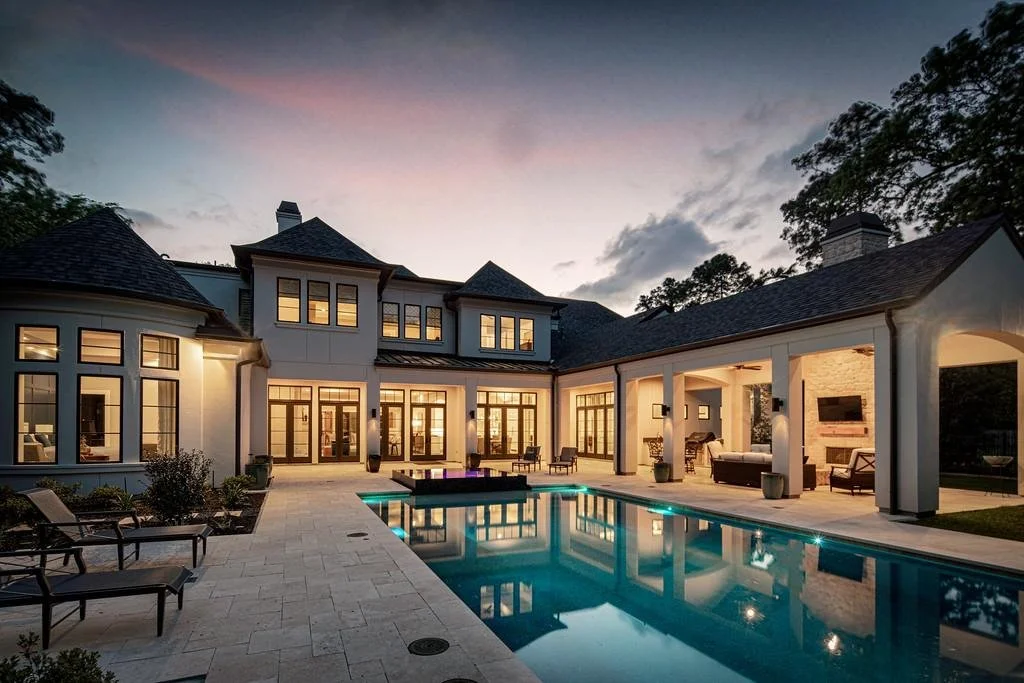
Selling a luxury property is not the same as listing a standard home, and the visuals used to market it should reflect that difference. Real estate photography plays a central role in how a property is perceived long before a buyer ever steps through the front door. For high end homes, the stakes are higher, the details matter more, and the margin for error is smaller. At Sierra Connect Media, this distinction shapes how every luxury listing is approached, from lighting choices to final image delivery.
This article explains what separates luxury property photography from standard listing photos, why the approach needs to change for high value homes, and what to look for when choosing a photographer for this type of work.
What Is Luxury Real Estate Photography?
Luxury real estate photography is a specialized branch of property photography focused on high value homes, estates, and architecturally significant properties. While the basic goal of any listing photo is the same, showing a space clearly and accurately, luxury photography goes further. It aims to communicate the lifestyle, craftsmanship, and character of a property, not just its square footage or room count.
A standard real estate photography services package might involve a quick walkthrough with a wide angle lens and basic editing. Luxury photography typically requires more preparation, more shooting time, and a more deliberate approach to composition, lighting, and staging. The difference is not just in equipment, it is in the entire mindset behind the shoot.
Why Luxury Properties Need a Different Approach?
High end buyers are often making decisions based on emotion as much as logic. They are not just buying square footage, they are buying a lifestyle, a view, a sense of arrival. This means the photography needs to do more than document the property. It needs to tell a story.
Higher Buyer Expectations
Buyers looking at luxury listings are usually browsing other high end properties as well. If the photography looks flat, poorly lit, or rushed, the property can appear less valuable than it actually is, regardless of its true condition or finishes. Real estate photographers working in this segment understand that image quality directly influences how seriously a listing is taken.
Architectural Complexity
Luxury homes often include custom architecture, unique layouts, and premium materials that are harder to photograph well. Vaulted ceilings, curved staircases, floor to ceiling windows, and open concept living spaces all require specific lens choices and camera positioning to capture accurately without distortion.
Marketing Investment
Luxury listings usually come with a larger marketing budget and a longer runway for promotion. This means the photography needs to hold up across multiple platforms, from printed brochures to social media to international property portals, without losing quality or impact.
Key Elements That Set Luxury Property Photography Apart
Several factors distinguish professional property photography for luxury homes from standard residential shoots. The table below outlines some of the main differences.
| Element | Standard Real Estate Photography | Luxury Real Estate Photography |
|---|---|---|
| Shoot Duration | 1 to 2 hours | Half day to full day |
| Lighting Approach | Natural light and basic flash | Multiple light sources, bracketed exposures, blue hour shots |
| Staging Involvement | Minimal or none | Coordinated staging and styling |
| Editing Detail | Basic color correction | Advanced retouching, sky replacement, fine detail work |
| Deliverables | Standard photo set | Photos, drone footage, twilight shots, video, floor plans |
| Property Storytelling | Focused on rooms and features | Focused on lifestyle, flow, and atmosphere |
This comparison shows why luxury photography cannot be treated as a scaled up version of a standard shoot. It requires a different process from planning through delivery.
Equipment and Techniques Used by Professional Real Estate Photographers
The tools used in luxury real estate photography are chosen to handle the specific challenges these properties present.
Full Frame Cameras and Wide Angle Lenses
Full frame sensors capture more detail and perform better in varied lighting conditions, which is important in homes with large windows or mixed indoor and outdoor lighting. Wide angle lenses help capture expansive rooms without introducing the heavy distortion that lower quality lenses often produce.
HDR and Exposure Bracketing
Luxury homes often have bright exterior views paired with dimmer interior spaces. Photographers commonly use High Dynamic Range techniques, blending multiple exposures of the same shot, to balance these extremes so that both the interior and the view outside the window are properly exposed.
Drone Photography
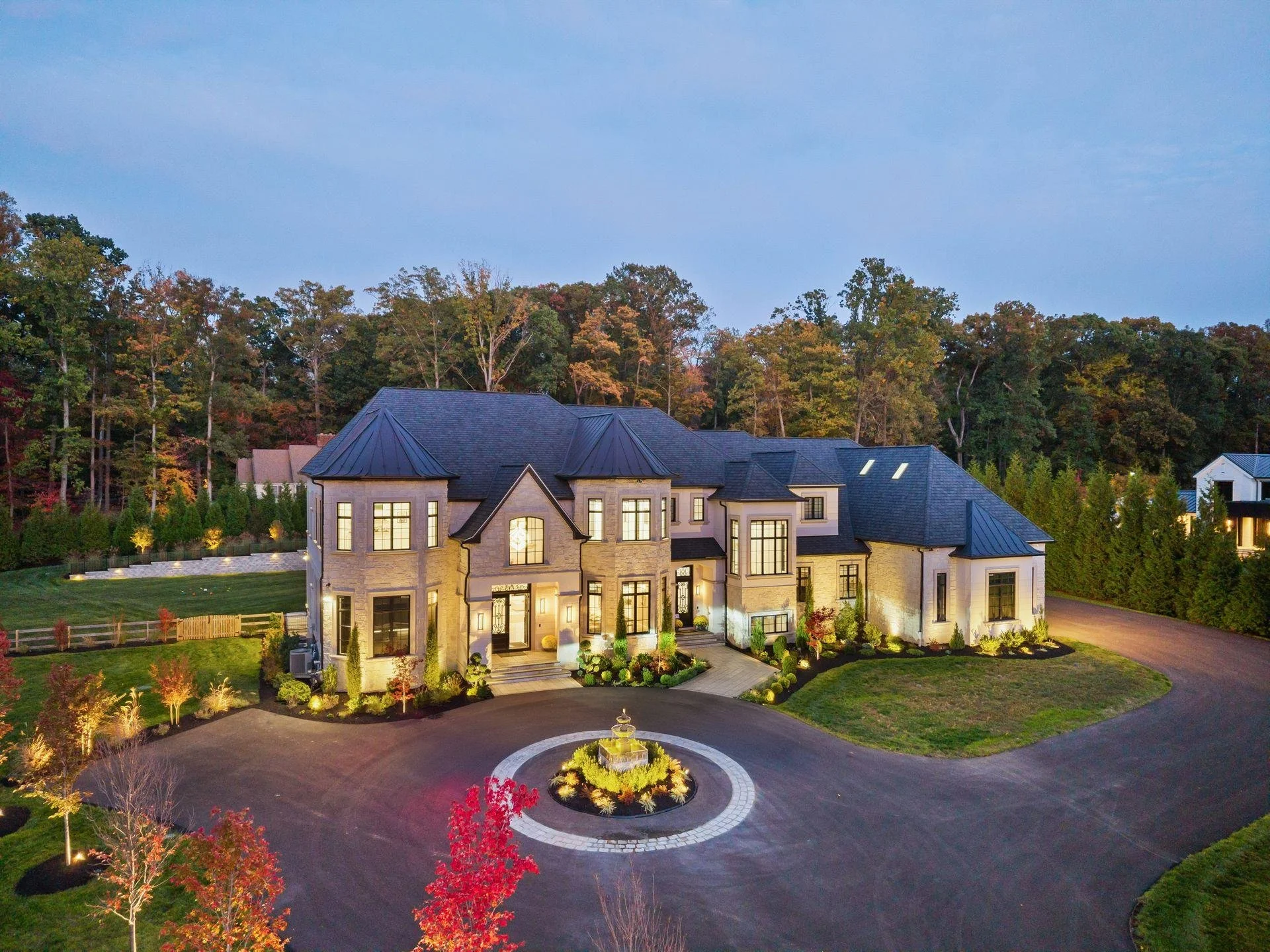
Aerial photography has become a standard part of professional property photography for larger estates. Drone shots highlight lot size, landscaping, proximity to water or mountains, and the overall scale of a property that ground level shots cannot capture.
Twilight and Blue Hour Photography
Twilight photography, shot during the brief window after sunset when the sky still holds color, is widely used in luxury listings. Interior lights glow warmly against a deep blue sky, creating an inviting image that performs well in marketing materials.
Advanced Post Processing
Editing for luxury listings goes beyond basic brightness and contrast adjustments. It often includes removing minor imperfections, correcting perspective distortion, blending exposures, and ensuring color accuracy across an entire image set so the final gallery feels cohesive.
How Professional Property Photography Impacts Buyer Perception?
The connection between image quality and buyer interest is well documented in the real estate industry. Listings with high quality photography tend to receive more views, generate more inquiries, and in many cases sell closer to asking price than listings with average or poor quality images.
For luxury homes, this effect is amplified. A buyer evaluating a multi million dollar property is often comparing it against a small pool of similarly priced homes, and photography becomes one of the primary tools for differentiation. Poor images can suggest a lack of attention to detail, even if the property itself is immaculate. Strong images, by contrast, reinforce the sense that the property has been well cared for and is worth the asking price.
This is why many agents and homeowners choose to work with experienced real estate photographers rather than attempting to shoot listings themselves or hiring based on price alone. The investment in quality photography is often recovered many times over through faster sales and stronger offers.
Choosing the Right Real Estate Photography Services
Not every photographer who shoots homes is equipped to handle luxury properties. When evaluating real estate photography services for a high end listing, a few factors are worth considering.
Portfolio Relevance
Look for photographers who have specific experience with luxury or architecturally distinct properties, not just general residential work. A portfolio of past luxury listings gives a clearer sense of how a photographer handles large spaces, premium finishes, and complex lighting. Reviewing a portfolio of completed luxury projects can help set expectations before booking a shoot.
Range of Services
Luxury listings often benefit from a combination of services, including still photography, drone footage, twilight shots, and sometimes video walkthroughs or 3D tours. Working with a team that can deliver all of these under one project reduces coordination effort and helps keep the visual style consistent.
Understanding of the Local Market
Photographers who are familiar with the local luxury market often have a better sense of what buyers in that area respond to, whether that is emphasizing outdoor living spaces, natural light, or specific architectural features common in the region.
Professionalism and Communication
Luxury shoots require careful coordination with homeowners, staging teams, and sometimes property managers. A photographer who communicates clearly about timing, access, and deliverables helps the entire process run smoothly, which matters when working with high value properties and tight marketing timelines.
Learning more about a team's background and approach, such as through an about page outlining their experience, can also help confirm whether their working style fits a particular project.
Common Mistakes to Avoid in Luxury Real Estate Photography
Even with good intentions, certain mistakes can undermine the impact of luxury property photography.
Shooting without proper staging is one of the most common issues. Cluttered counters, personal items, or misaligned furniture can distract from the architecture and finishes that make a luxury home stand out.
Relying only on natural light, without supplemental lighting, can also lead to uneven exposures, particularly in rooms with large windows or mixed light sources.
Skipping aerial or exterior shots is another missed opportunity, especially for properties with significant lot size, landscaping, or views that are central to the home's appeal.
Finally, rushing the editing process can result in inconsistent color, missed distortion corrections, or images that simply do not reflect the true quality of the space.
Conclusion
Photography for luxury homes is not simply a scaled up version of standard real estate photography. It requires a different level of planning, technical skill, and attention to detail to properly represent a property's value and character. From lighting and staging to drone footage and twilight shots, every element plays a role in how buyers perceive a listing before they ever schedule a showing.
For anyone preparing to list a high end property, working with an experienced team can make a measurable difference in how that property is received in the market. To discuss photography options for a luxury listing, contact us to talk through the specific needs of the property and the goals of the marketing campaign.
FAQ
-
Luxury real estate photography typically involves more preparation, specialized lighting techniques, additional services like drone and twilight shots, and a stronger focus on conveying lifestyle and atmosphere rather than just documenting rooms.
-
Shoot times vary depending on the size and complexity of the property, but luxury shoots often take a half day to a full day, compared to one to two hours for a standard listing.
-
It is not required for every property, but drone photography is commonly used for larger estates, waterfront homes, or properties where lot size and surroundings are a key selling point.
-
Pricing depends on property size, location, and the range of services included, such as photography, drone footage, twilight shots, and video. It is best to request a quote based on the specific property and marketing needs.